Quick Answer
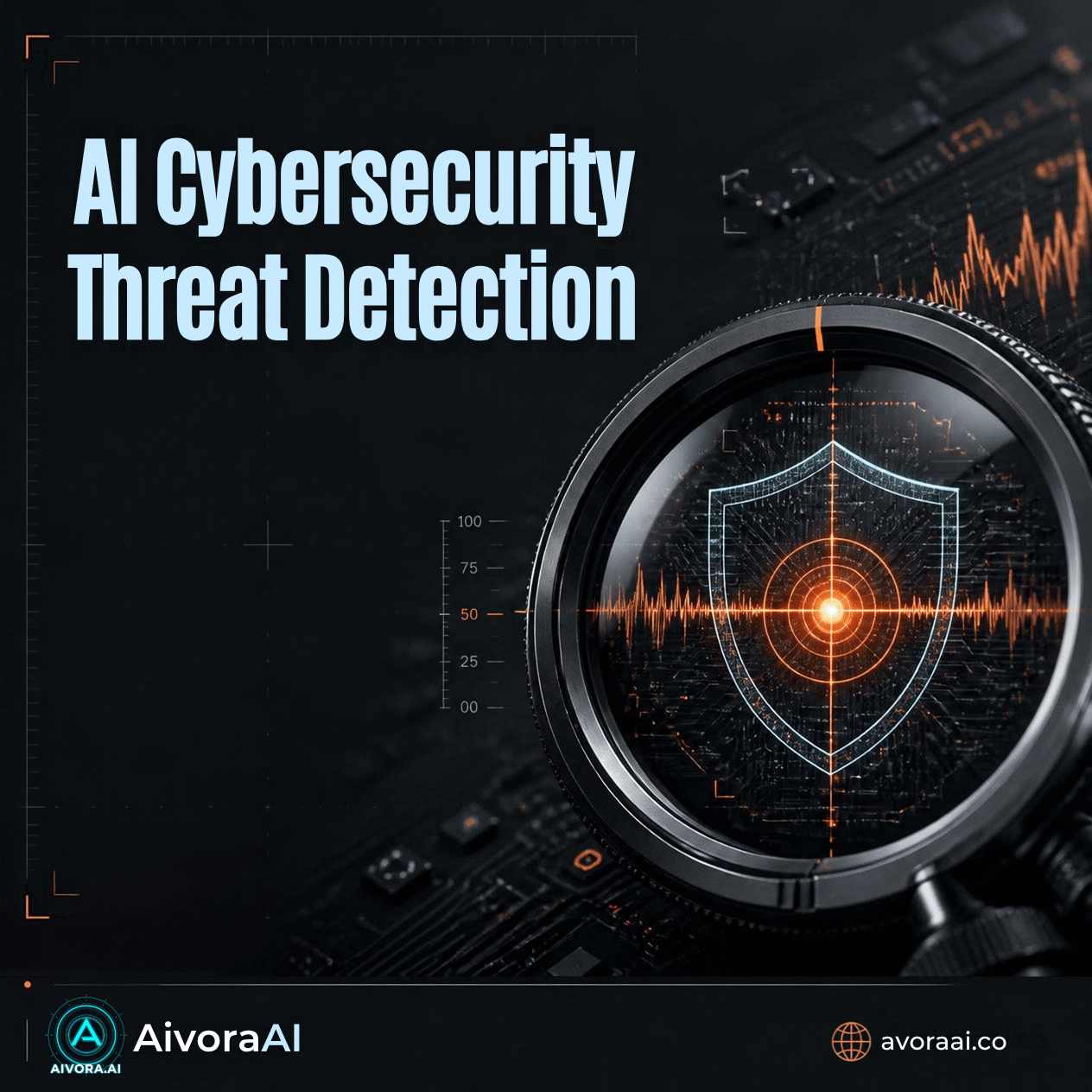
AI cybersecurity threat detection uses machine learning to monitor network traffic, user behavior, and system logs in real-time. Unlike traditional antivirus software that looks for known viruses, AI identifies unusual patterns and anomalies that suggest a new or sophisticated cyberattack, allowing for immediate response and mitigation.
Cybercrime is no longer just a nuisance; it’s an existential threat to businesses of all sizes. Ransomware, phishing, and data breaches are becoming more sophisticated every day. Traditional security tools, which rely on databases of known threats, are struggling to keep up with the speed and creativity of modern hackers.
In 2026, AI cybersecurity threat detection has become the standard for robust digital defense. By analyzing millions of data points per second, AI can spot the subtle signs of an attack long before any damage is done. It’s like having a security team that never sleeps, never gets tired, and sees everything.
This guide explores how this technology works, the best tools available, and how you can integrate it into your business to protect your assets. We’ll also look at how it connects with broader strategies like secure document handling and global compliance.
How AI Threat Detection Works
Traditional security is reactive. AI security is proactive. It uses two main techniques:
- Anomaly Detection: The AI learns what "normal" looks like for your network. If a user suddenly downloads 10GB of data at 3 AM from a foreign IP, the AI flags it as suspicious, even if the file itself isn't a known virus.
- Behavioral Analysis: It monitors how users and applications interact. If a program starts trying to access files it normally doesn't touch, the AI intervenes immediately.
1. Data Ingestion
Logs, Traffic, User Activity
2. AI Analysis
Pattern & Anomaly Detection
3. Threat Identification
Zero-Day & Malware Detection
4. Automated Response
Block, Isolate, Alert
The AI cybersecurity defense lifecycle
Why Use AI for Cybersecurity?
The benefits go beyond just "catching viruses." Here’s why smart businesses are adopting this technology:
Real-Time Response
AI can detect and block threats in milliseconds, far faster than any human analyst could react. This minimizes the window of opportunity for attackers.
Fewer False Positives
Traditional tools often flag safe activities as threats. AI learns your specific environment, reducing noise and allowing your team to focus on real risks.
Handles Big Data
Modern networks generate terabytes of log data daily. AI can process and analyze this volume effortlessly, finding needles in haystacks that humans would miss.
Proactive Defense
AI can predict potential vulnerabilities based on global threat intelligence, allowing you to patch holes before they are ever exploited.
Top AI Cybersecurity Tools in 2026
We’ve tested the leading platforms. Here are the ones delivering the most robust protection:
| Tool | Best For | Key Feature |
|---|---|---|
| Darktrace | Enterprise Networks | Self-learning AI immunity |
| CrowdStrike Falcon | Endpoint Protection | Cloud-native threat hunting |
| SentinelOne | Small to Mid-Business | Autonomous prevention & response |
| Microsoft Defender | Integrated Ecosystems | Deep integration with Office 365 |
Integrating AI Security with Your Business
AI security shouldn't be a siloed tool; it should be part of your entire operational fabric.
1. Secure Global Operations
If you’re expanding globally, you’re exposed to new regional threats. AI can adapt to local attack patterns. This is crucial when using AI translation tools or managing international servers, ensuring that your global footprint doesn't increase your risk surface.
2. Protecting Content Integrity
As you use AI to create content, ensure your pipelines are secure. Hackers may try to inject malicious code into your generated assets. AI security tools can scan these inputs and outputs for anomalies. For more on creating secure, high-quality content, check out our guide on writing AI blog posts.
3. Video and Media Security
If you produce video content, AI can help detect deepfakes or unauthorized use of your brand’s voice and image. This pairs well with AI video translation tools, ensuring your global media presence remains authentic and secure.
⭐ Pro Tip: Implement a "Zero Trust" architecture alongside your AI security tools. Assume every request is potentially malicious until verified. AI makes Zero Trust manageable by automating the verification process.
Challenges and Best Practices
While powerful, AI security isn't a magic bullet. Here are some pitfalls to avoid:
- Adversarial AI: Hackers are also using AI to create smarter attacks. Keep your models updated and use multiple layers of defense.
- Data Privacy: Ensure your AI security provider complies with GDPR and other privacy regulations. You don’t want to solve one problem by creating another.
- Human Oversight: AI can make mistakes. Always have a human security analyst review critical alerts and oversee the system’s decisions.
The Future: Autonomous Security Operations
We’re moving toward fully autonomous Security Operations Centers (SOCs). Imagine a system that not only detects a threat but also investigates it, contains the breach, patches the vulnerability, and writes the incident report—all without human intervention.
By adopting AI threat detection now, you’re building the foundation for this autonomous future.
🚀 Ready to Secure Your Business?
Don’t wait for a breach to act. Explore our curated list of AI tools that can help you detect, prevent, and respond to cyber threats effectively.
🔍 Explore Cybersecurity AI →✓ Real-Time Monitoring · ✓ High Accuracy · ✓ Easy Integration
Frequently Asked Questions
AI cybersecurity threat detection uses machine learning algorithms to monitor network traffic, user behavior, and system logs in real-time. It identifies patterns and anomalies that indicate potential cyberattacks, such as malware, phishing, or unauthorized access, often before they cause damage.
Traditional security relies on known signatures (like a list of bad files). AI can detect 'zero-day' threats (new, unknown attacks) by recognizing unusual behavior rather than just matching patterns. It also processes vast amounts of data much faster than human analysts.
Related Guides
Need Help With Security AI?
If you’re unsure which cybersecurity tool fits your business, ask us. We test them all so you don’t have to.
Written by Varun Lalwani
Varun is the founder of Aivora AI and an AI tools reviewer with 6+ years of experience. He tracks new AI tool launches and tests them against real workflows before recommending them. Read more about Varun